Yesterday I ripped out my failed cause of a needle palm and put in Washingtonia Filifera Seeds. With Groundhog Day in two days I figured it was time to get the earliest time as possible. Now P. Phil in Pennsylvania will be forecasting an early spring in two days. I figure now is as good as any time to plant over one month before the growing season for Zone 7 begins.
So with one palm in the trash and two year old seeds in the ground. We shall see how they do. Stay tuned.
Monday, January 31, 2011
Thursday, January 6, 2011
No Kireque No!
Kirk, the other blogger here, came home from Brazil this past week with seeds only to get nabbed by US Customs and have to cough up the palm and coconut seeds. While conversing with Kirk I suggested that he might have mailed them instead of getting a TSA pat down and full body scan courtesy of the US Government.
I am glad that Kirk arrived home safe and that the TSA did not unwrap any other packages he was carrying...Ahem! Welcome home buddy!
Sunday, November 21, 2010
Fall In The Desert
It has been awhile since posting, but I am back to put up some new pics. The desert takes on a new look in the winter, especially the Great Basin and the Colorado Plateau. Above are the south side of the Uinta Mountains that rise above the Uinta Basin in northeastern Utah.
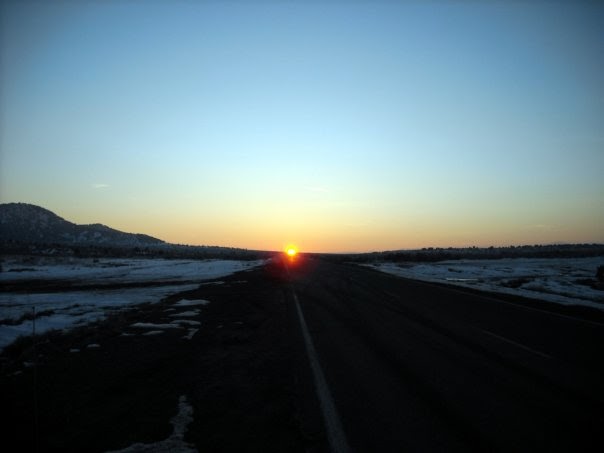
On the Utah County and Tooele County line in western Utah is five mile pass. This picture is on State Road 73 just west of Fairfield, Utah at sunset. The days are short in the fall and winter, but some of the best sunset pictures can be obtained due to the angle of the sun.
Yes, we do have some color in the area. Here is a fall shot of some trees at Temple Square in Salt Lake City, Utah. Indian Summer or late September and October can produce some of the most beautiful fall color combinations.
Many flowers that are very cold hardy last well into the fall and it takes several frosts before the flowers will finally die back for the oncoming winter.
Up in the high mountains the browning of the grasses contrasts greatly against the deep blue waters of Strawberry Reservoir on the back side of the Wasatch Mountains in Utah.
The Alpine meadows near Park City, Utah show a variety of colors as evergreen pines contrast against the Aspens. Only 20 miles to the east the Valleys are still a few weeks away from full fall color.
Finally just seeing the contrast of the seasons is one of the beauties of the seasonal "cold" desert areas. Many different elevations and climates produce a variety of photographic experiences that would not necessarily be seen in the deserts further south in the United States.
On the Utah County and Tooele County line in western Utah is five mile pass. This picture is on State Road 73 just west of Fairfield, Utah at sunset. The days are short in the fall and winter, but some of the best sunset pictures can be obtained due to the angle of the sun.
Yes, we do have some color in the area. Here is a fall shot of some trees at Temple Square in Salt Lake City, Utah. Indian Summer or late September and October can produce some of the most beautiful fall color combinations.
Many flowers that are very cold hardy last well into the fall and it takes several frosts before the flowers will finally die back for the oncoming winter.
Up in the high mountains the browning of the grasses contrasts greatly against the deep blue waters of Strawberry Reservoir on the back side of the Wasatch Mountains in Utah.
The Alpine meadows near Park City, Utah show a variety of colors as evergreen pines contrast against the Aspens. Only 20 miles to the east the Valleys are still a few weeks away from full fall color.
Finally just seeing the contrast of the seasons is one of the beauties of the seasonal "cold" desert areas. Many different elevations and climates produce a variety of photographic experiences that would not necessarily be seen in the deserts further south in the United States.
Thursday, September 23, 2010
The Onion: Poll Finds President Obama To Be A Cactus
This is not normally a political blog, but "The Onion" has changed that. 1 in 5 consider Obama a cactus.
http://www.theonion.com/articles/poll-1-in-5-americans-believe-obama-is-a-cactus,18127/
Saturday, September 18, 2010
From The Photo Album
Digging through the photo album on the computer I couldn't come up with a standard theme for this post. So I just figured that I would put up some desert photos and others that interest me.
To the left is a desert scape I took in West Valley City, Utah. In the photo are banana yucca, soap tree yucca, Joshua Tree, Mormon Tea among others. This person had the combination of various plants to make their yard look really good.
In Juab County, Utah out in the western Utah desert is an oasis called Fish Springs National Wildlife Refuge. Some 150 miles southwest of Salt Lake City this is truly the middle of no where. What is more interesting is that there are people that actually live out in the sticks to manage this place. There are no paved roads out in this area, only improved dirt roads. If you have a road worthy machine then you are in luck. The picture is at Fish Springs looking north toward Dugway Proving Grounds Military Area.
To the left is a desert scape I took in West Valley City, Utah. In the photo are banana yucca, soap tree yucca, Joshua Tree, Mormon Tea among others. This person had the combination of various plants to make their yard look really good.
In Juab County, Utah out in the western Utah desert is an oasis called Fish Springs National Wildlife Refuge. Some 150 miles southwest of Salt Lake City this is truly the middle of no where. What is more interesting is that there are people that actually live out in the sticks to manage this place. There are no paved roads out in this area, only improved dirt roads. If you have a road worthy machine then you are in luck. The picture is at Fish Springs looking north toward Dugway Proving Grounds Military Area.
This is a Autumn shot up Diamond Fork Canyon in Utah County, Utah. Looking south you can see the southern Wasatch Mountains.
The photo to the right is Quail Creek Reservoir, outside of St. George, Utah. This is a colorful area of Utah. I was grateful that the light was just right to capture this particular shot looking northeast. Here the blue waters
compliment the colorful red, orange, and brown rock of southwestern Utah's Mojave Desert.
This is another photo from Diamond Fork Canyon, Utah. Looking toward the north you can see where the Wasatch Mountains of the Rockies meet the beginnings of the reddish colored mountain areas of the Colorado Plateau.
Nothing screams being in the middle of the desert like being in Las Vegas, Nevada. In the older area of the strip is Fremont Street. A portion of this street has been covered by a large canopy with millions of LED lights. I was able to get this one with my cell phone. It turned out pretty good. If you like lips then savor the moment.
Winter in northern Utah can be cold. And with cold comes frozen waterfalls. This picture is of Bridal Veil Falls near Provo, Utah. The main part of the falls continue year round. The slower falls freeze up creating this beautiful type of cliff ice sculpture.
During the summer there is nothing like a Rocky Mountain Meadow shot. I took this one while roaming the back country of northern Utah. There is something nice about getting off the main trail and seeing what is beyond the horizon.
Sometimes getting the right sky meeting the hilltops makes for a great shot. This one is about 8,000 feet above sea level in the Utah Wasatch. The clouds were perfect on this day for a nice window into the moment.
This photo to the right I happened to capture right before the sunset. I thought these flowers growing in this large ornamental pot were a great shot. This is in downtown St. George, Utah.
Nothing says beauty like a prickly pear in bloom. This opuntia from the Mojave Desert sits in my yard. This was taken summer 2010 when I had great results with the multiple cacti flowering.
The last photo shows the American Flag. I am always proud of my country and what America represents and the beauty of the land.
Wednesday, September 8, 2010
Zion National Park, Utah
Zion National Park in Southwest Utah is a wonder of nature. The name Zion comes from the Hebrew for "Sanctuary" or a holy place where one meets God.
Zion is a variety of climate zones surrounded by towering cliffs of color and majestic beauty. Carved by the Virgin River through the Colorado Plateau and Mojave Deserts, Zion truly is a wonder to behold.
To the right cottonwood trees line the Virgin River in Zion Canyon. The cottonwoods provide a habitat for wildlife and shade during the summer months when temperatures are often over 100 F for four months June through September.
The towering cliffs provide red, brown, and orange hues and their height leaving the observer wondering about the creation of nature and a Power higher than themselves who must be in charge of the grand scheme of this world and the universe.
Wildlife is abundant in the Park. This little chipmunk decided to pose for me while eating a seed or nut.
Moisture that seeps down from the snowfall of the cliff tops takes many years at times to make its way down through the rock to finally seep out through the Navajo Sandstone.
The results are literal hanging gardens. These plants that grow in moist microclimates throughout various areas of the park. Such sites as "Weeping Rock" provide some great scenery for Oases in the dry desert land.
The white tops of the cliffs show the beauty of nature and are less common than the reds and browns. These tops such as The Great White Throne suggest awe and majesty from the earliest inhabitants of the area, to the modern day tourist.
The conjunction of two deserts the Colorado Plateau and the Mojave Desert give the desert a variety of plant life. Prickly Pear, yucca, cholla, and other varieties of desert plants such as these juniper trees grow together in the park, whereas elsewhere they would be in totally different desert regions.
Volcanic rock shows that Zion's past has been anything but tranquil. Uplifts, advancing and receding seas, and of course ancient volcanic activity give the park its wide variety of geology from thousands to millions of years old.
These are some of the wonders of one of America's great national parks. Zion is in a desert, but offers so much more in nature, recreation, and reflection. It is a testament that miracles happen around us everyday.
Wednesday, September 1, 2010
Mount Rushmore, South Dakota
South Dakota! We had a fun trip. It was the kids' first REAL experience camping, (not counting the times we camped at Cherry Creek State Park). Of course we had to stop to see Mt. Rushmore. But there was one really big surprise about this mountain.......... |
As we looked a little more closely, we were surprised to see that our little girl was one of the iconic faces! |
One of the highlights of our trip was driving through a wildlife park where you literally had to break for bears, wolves, etc. Here are a few of my favorite pictures I took from our van-
The SCARIEST animals we saw on the side of the road are the creatures below. BEWARE! ROLL UP YOUR WINDOWS!!!!
Subscribe to:
Posts (Atom)


.jpg)

.jpg)